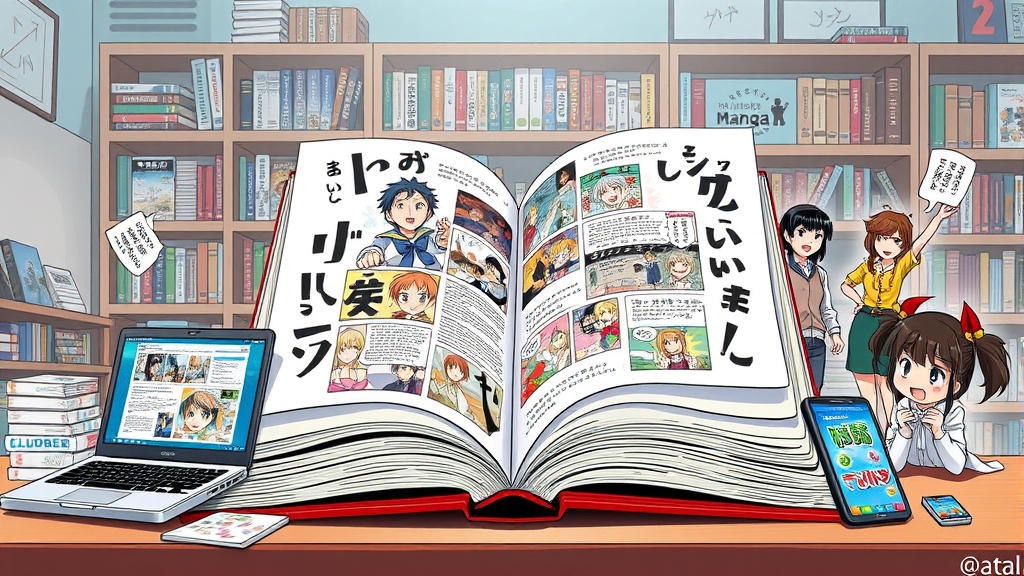
Creating a captivating manga page is both an art and a science. It requires understanding the intricate balance between storytelling, visual flow, and artistic stylization. Whether you’re an aspiring manga artist or an enthusiastic fan, appreciating the complexity behind each manga page can deepen your appreciation and inspire your own work. In this guide, we’ll explore how to craft compelling manga pages—from layout and composition to character expressions and digital techniques—so you can bring your stories to life with confidence and clarity.
A manga page isn’t just a collection of images; it’s a visual narrative device that guides the reader’s experience seamlessly. Let’s delve into the key principles behind designing engaging manga pages that communicate emotion, action, and atmosphere in every panel.
Understanding the Anatomy of a Manga Page – Layout and Composition
The foundation of a successful manga page lies in its layout and composition. Every panel must be strategically placed to facilitate the story’s rhythm and emotional impact. First, it’s essential to consider the overall flow of the page—how the reader’s eye naturally moves across the panels—and to guide this flow consciously through panel size, placement, and spacing. Larger panels may serve as key moments or dramatic reveals, while smaller, quicker panels can convey fast-paced action or internal dialogue.
Creating a balanced composition involves more than just filling space; it requires an eye for rhythm and focal points. A well-constructed manga page leads the reader through the narrative effortlessly, emphasizing critical moments without overwhelming the senses. Personal intuition, combined with knowledge of visual hierarchy, helps artists craft pages that are both aesthetically pleasing and narratively effective. Understanding how to manipulate background space, panel shape, and line direction can elevate the storytelling from simple sequences to dynamic visual poetry.
 Hình minh họa: manga page – sites where i can read manga
Panel Flow and Narrative Sequencing – Mastering the Manga Page Turn
Mastering panel flow is vital to ensuring that your manga story is engaging and easy to follow. The sequence of panels functions much like a visual heartbeat, dictating pacing and emotional cadence. When designing a manga page, consider how each panel directs the reader’s eye toward the next—whether through diagonal lines, character gazes, or action lines—thus creating an intuitive reading path.
A common mistake is disrupting this flow with inconsistent panel sizes or confusing transitions, which can lead to reader frustration. To avoid this, carefully plan the page layout during the thumbnail stage, ensuring that each panel logically leads into the next. Effective narrative sequencing also involves the thoughtful timing of pauses and accelerations in the story—using larger panels or splash pages for dramatic moments and smaller panels for quick exchanges. When executed skillfully, this sequencing enhances emotional impact and keeps readers engaged from start to finish.
Utilizing Sound Effects (SFX) on Manga Pages – A Design Guide
Sound effects, or SFX, are a hallmark of manga’s unique visual language. They enhance storytelling by conveying impacts, reactions, and atmosphere without words. Designing effective SFX involves integrating them seamlessly into the artwork, balancing visibility with subtlety so they complement rather than overwhelm the scene. Artistic choices like font style, size, and placement all influence how the sound feels—whether violent, humorous, or tense.
Personal experimentation with different styles of SFX can significantly enrich a manga page. Bold, jagged fonts may evoke explosions or violence, while flowing, cursive styles communicate serenity or elegance. Placement is equally crucial; ideally, SFX should follow the rhythm of action and be positioned close to the source, helping the reader to intuitively connect the visual and auditory cues. When mastered, SFX become an immersive layer that amplifies the emotional and sensory experience of your manga.
The Art of Speech Balloons in Manga – Placement, Style, and Content
Speech balloons are the primary means of conveying dialogue, thoughts, and internal monologue, serving as vital storytelling tools. Careful placement ensures that dialogue doesn’t obscure the artwork and flows naturally with the characters’ positions and gestures. Additionally, their shape and style can reflect tone—rounded balloons for casual speech, jagged edges for shouting or anger—and should be consistent across the page to maintain clarity.
Beyond placement, the design of speech balloons involves balancing readability and aesthetics. Font choice, letter size, and line spacing are crucial for legibility, particularly on digital platforms where resolution varies. Content-wise, concise and impactful speech enhances pacing, while inner dialogue can deepen character development. Skillful use of speech balloons—non-intrusively framing the conversation—helps maintain visual harmony on the manga page, ensuring that dialogue complements the visual storytelling rather than detracting from it.
Backgrounds and Environments – Creating Depth on Your Manga Page
Backgrounds ground the characters in a believable world and significantly contribute to mood and atmosphere. Creating effective backgrounds involves a mix of detailed elements and suggestive, minimalist techniques—striking a balance that emphasizes primary action while providing context. Techniques like perspective, vanishing points, and atmospheric effects add depth and realism, making scenes more immersive.
However, too much background detail can clutter the manga page and distract from the main focus. Therefore, varying the density and detail based on scene importance is a powerful technique. For emotional or intense moments, backgrounds might be simplified or blurred to focus on characters’ expressions, while intricate settings can build tension or atmosphere. Strategic application of background art creates a convincing universe, enhances storytelling, and taps into the viewer’s imagination to fill in the gaps, enriching the visual experience.
Character Expressions and Posing – Conveying Emotion on the Manga Page
The expressiveness of characters is arguably the most direct way to communicate emotion and intent on a manga page. Skillful posing and facial expressions transcend dialogue, showcasing subtle nuances that reveal internal states—whether surprise, anger, joy, or despair. An effective manga artist studies human anatomy and emotion to craft poses that are natural, exaggerated, or stylized to fit the tone.
Paying attention to gesture, eye direction, and body language helps in storytelling, guiding the reader to interpret character reactions beyond words. The positioning of characters within panels supports narrative emphasis—placing a character’s face close-up for emotional impact or showing full-body stance to illustrate determination. When combined with consistent character design, expressive posing makes the manga page palpably alive, fostering a genuine emotional connection between characters and readers.
Screen Toning and Inking Techniques for Visually Appealing Manga Pages
Screen toning and inking are classic techniques that define the visual style of manga. Toning adds texture and shading, enhancing depth and mood without relying on color. Traditional screen toning involves applying adhesive sheets or stippling techniques, but digital toning now dominates, offering a vast array of patterns and gradients that streamline workflow.
Inking techniques—ranging from bold, heavy lines to delicate cross-hatching—add clarity, weight, and style to characters and backgrounds. Mastery in inking can dramatically influence the readability and aesthetic appeal of a manga page. Combining thoughtful toning with precise inking enhances the contrast, leading the viewer’s eye naturally toward focal points, emphasizing key moments, and creating atmosphere. When these techniques are used skillfully, they elevate a simple page into a compelling visual narrative with depth and mood.
Digital Manga Page Creation – Software and Techniques Compared
With the advent of digital tools, creating manga pages has become more accessible and versatile. Software like Clip Studio Paint, Photoshop, and Procreate offers specialized brushes, layers, and effects that mimic traditional techniques or push beyond them. Digital creation allows artists to experiment with layers, undo mistakes easily, and produce polished pages efficiently.
Different tools provide unique advantages: Clip Studio Paint’s manga-specific resources, Photoshop’s extensive editing capabilities, and Procreate’s intuitive interface. When comparing techniques across these platforms, consider workflow, customization, and the ability to integrate various effects seamlessly. Digital manga creation democratizes the art form but also demands familiarity with software features to maximize productivity and artistic expression. Ultimately, choosing the right tools depends on the artist’s style, preferences, and project scope.
Common Mistakes in Manga Page Design and How to Avoid Them
Many aspiring manga artists stumble over common pitfalls that hinder readability and visual storytelling. Overcrowding panels with too much crowding detail creates confusion, while inconsistent panel sizes can disrupt pacing. Neglecting the flow—by not guiding the reader’s eye naturally—causes frustration and disconnect.
To avoid these mistakes, plan your pages carefully and keep readability forefront. Use thumbnails to visualize panel arrangement and test the flow before committing to detailed art. Maintain consistent character proportions and backgrounds to prevent visual dissonance. Improper placement of speech balloons or SFX can also impede clear storytelling, so always prioritize clarity and coherence. Learning to self-critique objectively and seek feedback from others further refines your approach, resulting in cleaner, more engaging manga pages.
From Script to Page – A Step-by-Step Guide to Manga Page Production
Turning a script into a visually compelling manga page involves a structured process. Begin with rough thumbnails that layout panel arrangements and pacing. This stage helps you decide where to focus attention and how to sequence actions. Next, create detailed sketches, refining character poses and backgrounds while ensuring that the composition supports story beats.
After sketch approval, proceed to inking, applying clean lines and defining details. Once inking is complete, add screentones and effects to build atmosphere and depth. Finally, insert dialogue and SFX, balancing visual elements with text to avoid overcrowding. Digitally or traditionally, the process demands patience and iteration, but a clear step-by-step approach ensures consistent quality. Mastery of each phase transforms a simple concept into a professional-looking manga page that captivates and immerses readers.
Conclusion
Understanding the core elements of a manga page—from layout and composition to character expressions, background work, and technical techniques—is crucial for crafting compelling stories. Each aspect contributes to the overall storytelling experience, making every panel a vital piece of a larger narrative puzzle. By studying professional manga pages and practicing these techniques, artists can develop their unique style and improve storytelling clarity, rhythm, and emotional impact. Whether working traditionally or digitally, mastering these principles allows creators to produce engaging, visually stunning manga pages that resonate deeply with readers and elevate their artistry to new heights.